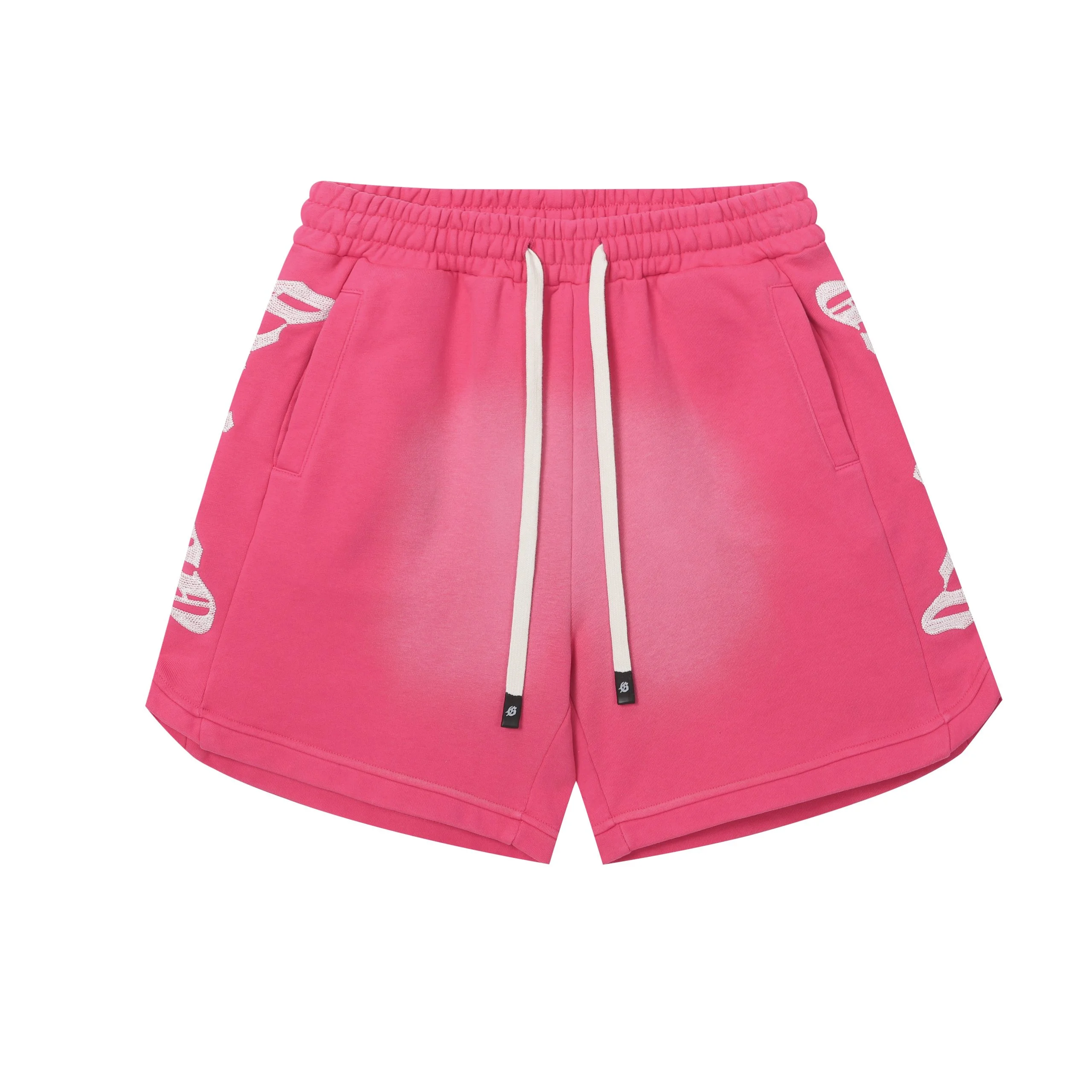
Godspeed Tee Care Guide: Keeping Graphics and Material In Top Shape
A graphic shirt’s true quality shows up only after its longest round of washing. You can buy the most eye-catching graphic, the softest cotton blend, the most vibrant colourway, but all of that counts for little if the design fractures after four wash cycles or the cloth loses its shape and colour by the third month. The following guide lays out step by step how to clean, dry, store, and otherwise care for your Godspeed shirt so the print stays sharp and the cloth keeps its structure for years, not weeks. There’s also a section on care basics for a godspeed hoodie, since many of the same rules apply to thicker cotton garments with stitched or printed designs.
Before getting into the mechanics of washing and drying, it helps to know why this carries such weight for a brand like Godspeed. The name itself carries weight. Godspeed meaning traces back to an old English phrase, a hope for someone’s safe, successful passage, commonly offered before someone embarks on a long or uncertain path. What, then, does Godspeed represent as a label rooted in that idea? It is streetwear rooted in that feeling of drive and purpose, converting a saying once meant to bless those on a journey into printed tees, hoodies, and outer layers designed for those navigating their own version of that journey. That backstory is exactly why the designs need to be treated with care instead of a careless toss into a hot wash.
How Print Lifespan Is Shaped by Your Laundering Routine
Screen-printed designs and DTG graphics are bonded to the fabric surface, not integrated into the weave, which means they are considerably more exposed to warmth, rubbing, and strong detergents than the base cotton itself. Water temperature is the single biggest factor in print degradation. Laundering at 40°C or above can soften the ink binder, resulting in gradual cracking after as few as 15 to 20 wash cycles. Cold water, around 20-30°C, slows that breakdown significantly and can stretch the graphic’s lifespan beyond 50 washes with correct care.
Agitation matters just god clothing as much as temperature. Regular machine settings use mechanical friction to loosen dirt, but this same rubbing action grinds printed panels against zips, buttons, and neighbouring clothes. With repeated washing this leads to surface wear that manifests as faint fading or a slightly cracked texture across the design. Flipping a godspeed shirt inside out prior to laundering significantly reduces this wear because the print faces inward, away from direct contact with other fabric surfaces.
The third piece of this equation is your detergent pick. Compared to a plain, dye-free liquid detergent, enzyme-powered formulas and anything with bleach alternatives can degrade plastisol and water-based inks at a faster clip. Among garments with printed or embroidered graphics, such as godspeed hoodie pieces with front or back artwork, the safer bet is a gentle, low-foam formula that leaves out optical brighteners.
The Best Way to Care for Godspeed Shirts, In Sequential Order
Being consistent wins out over intensity when it comes to fabric care. A shirt washed the same gentle way every time will outlast one that gets an occasional cold wash between several hot, aggressive cycles. Here is the routine that keeps prints crisp and cotton intact over the long run.
- Before laundering, be sure to flip the shirt inside out as soon as it’s off, shielding the graphic face from the get-go.
- Launder in chilly water, preferably 30°C or below, relying on a delicate cycle instead of a normal or high-power setting.
- Opt for a mild liquid detergent, roughly two-thirds of the manufacturer’s recommended dose, since printed fabric does not need a full measure to come clean.
- Never wash graphic garments alongside zippered items such as jackets or jeans, because hardware abrades graphic panels, leading to wear.
- Skip fabric softener on graphic sections, as it deposits a film that can fade colour intensity and slightly toughen the graphic surface over repeated washes.
- Let it dry flat or on a clothes hanger instead of using a tumble dryer, since temperatures over 60°C is one of the fastest ways to contract cotton and distort printed graphics.
Consistency with just four or five of these 6 steps will noticeably prolong the design’s life, particularly when set against a standard hot-wash-and-tumble-dry regimen. Across a year of regular wear, even small habits build up quickly.